
Introduction
Sourdough fermentation is increasingly used in bakery innovation due to its nutritional and functional benefits (Figure 1). This process, driven by lactic acid bacteria (LAB) and wild yeasts, improves dough structure, digestibility, and shelf life while modulating sensory attributes such as flavor and texture (1,2). Recent studies demonstrate its ability to reduce the glycemic index and phytic acid content, thereby enhancing postprandial responses and mineral bioavailability (3,4). Additionally, sourdough promotes the formation of bioactive compounds, including peptides and antioxidants (5,6).
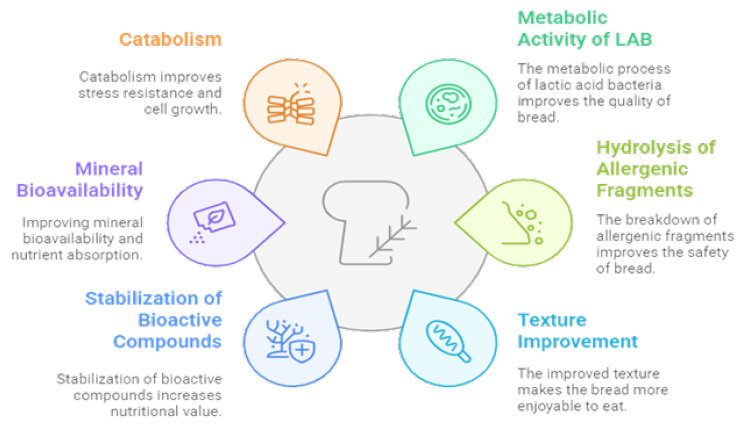
Figure 1. Revealing the multifaceted impact of sourdough
The integration of legumes, especially Phaseolus vulgaris L., into baked goods aligns with the demand for sustainable and proteinrich foods. Beans provide dietary fiber, resistant starch, minerals, and polyphenols with anti-inflammatory, antioxidant, and glycemic-regulating properties (7,8). However, their direct application in bread often results in dense textures and offflavors, limiting consumer acceptance (9). Legumes are widely recognized as a sustainable food resource due to their agronomic and nutritional characteristics. They contribute to soil fertility through biological nitrogen fixation and generally require fewer agricultural inputs than other protein sources. In addition, legumes provide high-quality plant protein, dietary fiber, and bioactive compounds, supporting their incorporation into staple foods such as bread as a strategy to diversify protein sources and improve dietary quality (8).
Sourdough fermentation of legume flours has been shown to reduce antinutritional factors, increase free amino acid content, and improve both technological performance and palatability of legume-enriched bread (6,10). Moreover, fermentation decreases oligosaccharides such as raffinose and stachyose, reducing gastrointestinal discomfort and enhancing flavor profiles (10,11).
In Chile, bread consumption exceeds 86 kg per capita annually, whereas legume intake has declined to less than 3.5 kg per year (12). This imbalance reflects a nutritional gap that could be addressed through novel formulations combining native legumes and sourdough fermentation.
This study aimed to formulate and evaluate sourdough breads enriched with Phaseolus vulgaris L. flour, analyzing their fermentation behavior, nutritional contribution, and sensory acceptability as a sustainable and functional bakery alternative.
Materials and methods
Study Period
The study was conducted between March and October 2024, encompassing the phases of formulation, fermentation standardization, baking, and sensory evaluation.
Flours
For the bean flour, the sample of Phaseolus vulgaris L. (common bean), a native variety from southern Chile selected for its high protein content (13), was sourced from the local market in the city of Temuco, Chile. The proximate composition of Phaseolus vulgaris L. flour is detailed in Table 1 (14). The whole, dried beans were first ground using a grain mill (Corona, Colombia), followed by fine grinding in a BerryBlender BL1400 blender (Somela, China) (Figure 2). The resulting grist was refined and used for sourdough production.
As the base flour for breadmaking, commercial Triticum spelta (spelt wheat) strong flour was used (Table 1), also obtained locally in Temuco, Chile. This flour served as the foundation for the various bread formulations, each based on 500 grams of flour, and was also used to prepare the spelt-based sourdough starter.
Table 1. Proximal composition Phaseolus vulgaris L. type found and characterization reported in the commercial wheat flour used.
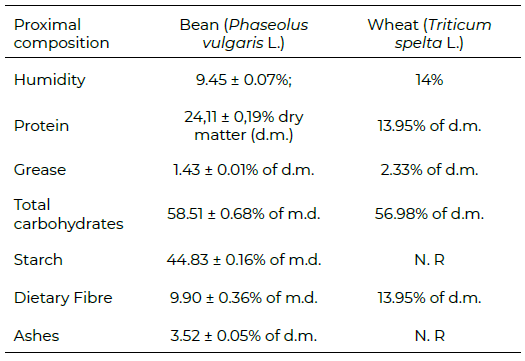
N. R= Not reported
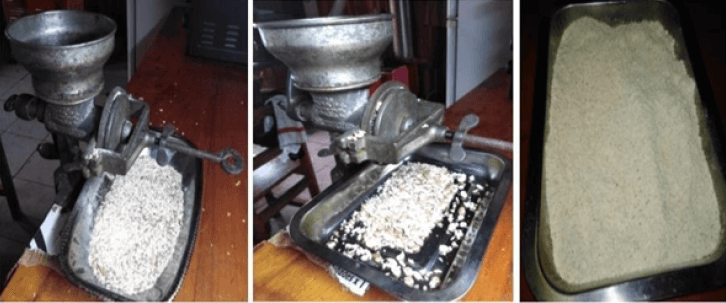
Figure 2. Representative image of milling and obtaining flour from Phaseolus Vulgaris, L.
For the first treatment, the leavening agent consisted of commercial baker’s yeast, which was purchased in Temuco, Chile.
Preparation of sourdough
The sourdough based on native bean flour was prepared by mixing 50 grams of flour with 50 ml of water and incubating the mixture at 27 °C for 24 hours (15). Subsequently, 50 grams of native bean flour and 70 ml of fresh water were added to the mixture daily for five consecutive days using the refreshing technique, maintaining the same incubation conditions.
The spelt wheat sourdough was prepared previously using the same proportions of flour and water. For this, 50 grams of Triticum spelta flour and 50 ml of water were placed in a sterilized glass jar and incubated at an average temperature of 27 °C. The mixture developed a homogeneous texture and a characteristic spelt aroma. A mark was made on the jar to monitor volume variations, and the container remained closed during the incubation period.
Treatments and bread making
Different bread formulations were prepared: (i) bread made with spelt wheat flour and commercial yeast (PLC), (ii) bread made with spelt wheat flour and spelt-based sourdough (PMC), (iii) bread made with spelt wheat flour and a mixture of spelt sourdough and native bean sourdough (PMM), and (iv) bread made with spelt wheat flour and native bean sourdough (PMP). Each condition was prepared in triplicate (Table 2).
Table 2. Ingredients preparation bread samples.
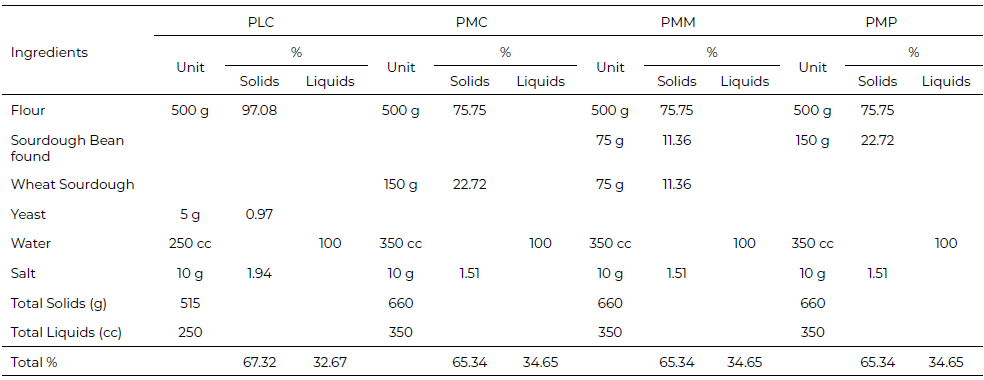
with native bean sourdough (PMP).
The sourdough-to-flour ratio was calculated as [(sourdough / flour) × 100], based on a total of 500 grams of flour, with 30% of the mixture corresponding to sourdough and a hydration level of 70% (Table 2). All breads were prepared using the autolysis technique, aimed at promoting starch and protein hydrolysis (16), with a rest period of 40 minutes. Prior to dough kneading, an autolysis step was applied to all formulations in order to improve dough development and hydration. Autolysis consisted of mixing the flour with the corresponding amount of water, without the addition of salt or leavening agents, and allowing the mixture to rest for 40 minutes at room temperature. This process promotes enzymatic activity, mainly amylases and proteases, facilitating starch hydrolysis and gluten network development, which in turn improves dough extensibility, gas retention, and overall bread texture. After the autolysis period, sourdough or commercial yeast and the remaining ingredients were incorporated, and the dough was subsequently kneaded and fermented according to the experimental design.
The doughs were fermented and manually kneaded at three-hour intervals. Final loaves were shaped into 500-grams portions and baked with steam injection at 230 °C for 50 minutes.
Evaluation of the sensory characteristics of different bread compositions
The sensory evaluation was conducted using a consumer-oriented hedonic test designed to assess the overall acceptability of the different bread formulations. A total of 30 adult participants were recruited through convenience sampling from the university community, all of whom were regular consumers of bread (at least three times per week). The panel was considered an internal, untrained consumer panel, appropriate for preliminary sensory acceptability studies. The evaluation was performed using a 5-point hedonic scale, ranging from 1 (“dislike very much”) to 5 (“like very much”), focusing on consumer perception rather than descriptive profiling (17-18). The assessed attributes included visual appearance (overall shape and crumb structure), aroma, texture, taste, and overall acceptability after ingestion of the sample. Sensory analysis was conducted within 24 hours after baking in the Dietetic Techniques Laboratory of the Universidad Católica de Temuco, in a controlled environment with adequate lighting, ventilation, and individual seating to avoid interaction among panelists. Samples were served in coded plates under identical conditions and in random order to minimize bias.
Sensory evaluation of breads
The sensory evaluation of the bread was carried out within 24 hours after baking (19) in the Dietetic Techniques Laboratory at the Catholic University of Temuco and lasted approximately 45 minutes. The evaluation panel consisted of adult participants, with the inclusion criterion being the absence of any known food or beverage allergies (20).
Each bread sample was presented as a 25-grams slice with a thickness of 1 cm. Four bread formulations were evaluated based on visual appearance (overall shape and crumb structure), taste, texture, aroma, and perceived acidity, using the 5-point hedonic scale.
An informed consent form, previously approved by the Ethics Committee of the Catholic University of Temuco, was provided to each panelist to ensure compliance with bioethical standards (see Additional Information).
Statistical analysis
The results of the sensory panel evaluation for the attributes "Overall shape appeal", "Crumb visual appeal", "Smell", "Taste", and "Texture" were statistically analyzed using SPSS software version 15.0 (IBM, Statistics). For each variable, tests for normality (Shapiro–Wilk) and homogeneity of variances (Levene) were performed. As the results indicated that the statistical assumptions of normality and homoscedasticity required for ANOVA were not satisfied, the Kruskal Wallis test was applied to compare the groups. A significance level of p < 0.05 was used for all statistical tests.
For visualization purposes, the sensory data were normalized using a min–max scaling approach, rescaling all values to a common range from 0 to 4. This transformation was performed based on the global minimum and maximum values across the entire dataset to enable relative comparisons between attributes, regardless of their original units or scales. The normalization was implemented in R using vectorized functions, and the resulting scaled data were visualized as a radar chart to represent the sensory profiles of the evaluated bread samples.
Results
Sourdough formulation
Figure 1 illustrates the multifaceted impact of sourdough fermentation on the evaluated bread formulations, summarizing the effects observed on sensory attributes and technological characteristics. On the other hand, Figure 3 presents a comparative visual progression of the sourdough development for Triticum spelta flour (Figure 3A–E) and Phaseolus vulgaris flour (Figure 3F–J). Both sourdoughs were maintained in closed glass jars at room temperature, and their physical and volumetric development was documented daily.
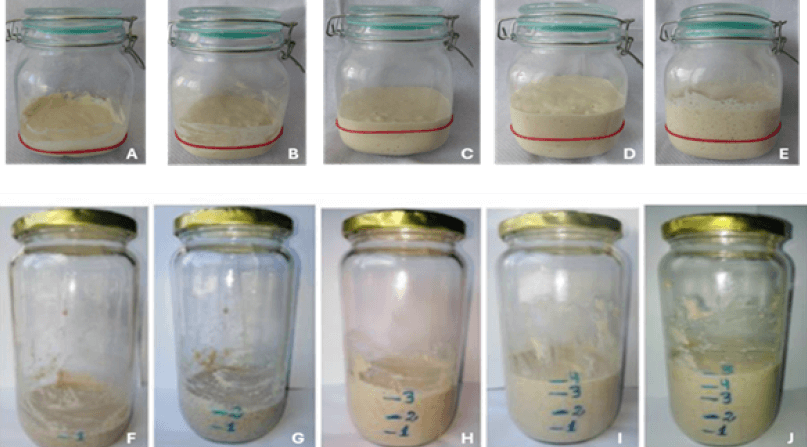
Figure 3. Representative image of sourdough formulation Triticum spelta L. (A, B, C, D, and E) and Phaseolus Vulgaris , L. (F, G, H, I, and J). Increased sourdough volume day 1 to 5.
Triticum spelta: On day 1, the spelt flour sourdough appeared as a dense and homogeneous mixture with little to no evidence of fermentative activity (Figure 3A). By day 2, a slight increase in volume was observed, along with the presence of small bubbles, indicating the onset of fermentation (Figure 3B). On day 3, there was a noticeable increase in volume and a more aerated matrix, with larger visible bubbles, suggesting an acceleration of fermentation due to the establishment of an active microbial community (Figure 3C). By day 4, the sourdough reached its maximum observed development, presenting a spongy structure with a significant amount of trapped gas, indicative of robust fermentation (Figure 3D). On day 5, a slight compaction of the dough was observed, possibly due to a decrease in fermentative activity or nutrient depletion, although the matrix still appeared active (Figure 3E).
Phaseolus vulgaris: On day 1, the bean flour mixture presented the same aroma and color, with no visible volume change (Figure 3F). The refreshing technique was applied, mixing part of the fermented dough with water and flour to stimulate the growth of yeasts and lactic acid bacteria. Specifically, 50 grams of legume flour and 100 ml of water were added to the initial mixture and stirred slowly until a homogeneous, slurry-like consistency was obtained. It was incubated at 27 °C for 24 hours (Figure 3G). On day 3, after 18 hours, the dough had increased in volume by 5 mm, with the presence of uniformly distributed bubbles, some more prominent in certain areas, and the color becoming more characteristic (Figure 3H). After 24 hours, it was refreshed with 50 grams of flour and 70 ml of water and incubated at 30 °C. On day 4, after 24 hours, the dough showed a 20 mm increase in volume, a more intense aroma, and an airy texture with large bubbles. It was again refreshed with 50 grams of flour and 70 ml of water. After another 24 hours (Figure 3I), the volume increased by 15 mm. The texture appeared aerated, with bubbles of varying sizes and a small amount of liquid visible on the surface. The aroma was mildly acidic but pleasant. On day 5, 40 grams of legume flour and 60 ml of water were added for the final refreshment. After 24 hours, the dough increased by another 10 mm, with large, irregular bubbles and a slightly sour but not unpleasant aroma (Figure 3J).
Day 5 was set as the point of use for the active sourdough in bread production. Four types of bread were prepared and sliced into 50-grams portions with a thickness of 1 cm each, as shown in Figure 4.
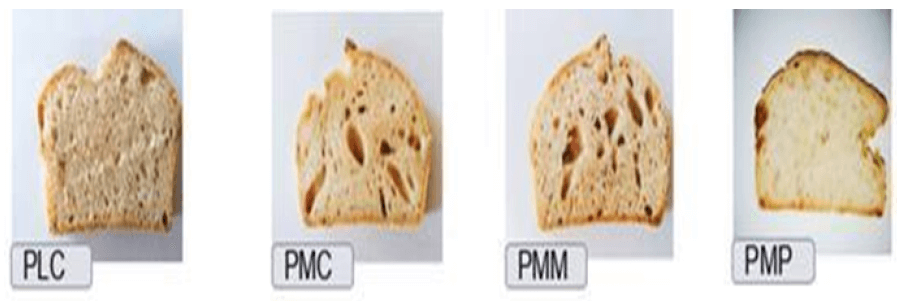
Figure 4. Representative image of bread made with common yeast (PLC), sourdough bread with wheat flour control (PMC); bread with a mixture of wheat flour sourdough and bean flour sourdough (PMM), bread with native bean sourdough (PMP).
Baking bread
The PLC sample (bread made with commercial yeast) presented a homogeneous crumb, soft texture, unremarkable aroma, and neutral taste. The PMC sample (control sourdough bread made with wheat flour) exhibited large, well-defined air pockets, a more compact and elastic texture, a noticeable aroma, and a slightly sour flavor. The PMM bread (prepared with both wheat flour sourdough and bean flour sourdough) showed well-defined pockets, a soft and elastic texture, a prominent aroma, and a milder acidity. Finally, the PMP sample (bread made with native bean flour sourdough) displayed smaller air pockets, a smooth texture, an intense aroma, and a distinctive legume-like flavor (Figure 4).
Evaluation of the sensory characteristics of bread
The sensory evaluation was conducted with 30 untrained participants. Volunteers assessed the sensory attributes of the four types of bread, using a 5-point hedonic scale. The evaluated parameters included overall appearance, crumb appearance, taste, texture, and aroma. The sensory analysis was performed within 24 hours after baking.
A spider plot analysis (Figure 5) was generated based on the sensory data. PLC, PMC, and PMM breads exhibited similar hedonic profiles, with PLC and PMM receiving higher scores for appearance, aroma, taste, and texture. In contrast, the PMP sample, containing the highest proportion of bean flour sourdough, received the lowest ratings across multiple attributes, particularly crumb appearance and taste, contributing to a notable decrease in overall attractiveness as perceived by the panelists.
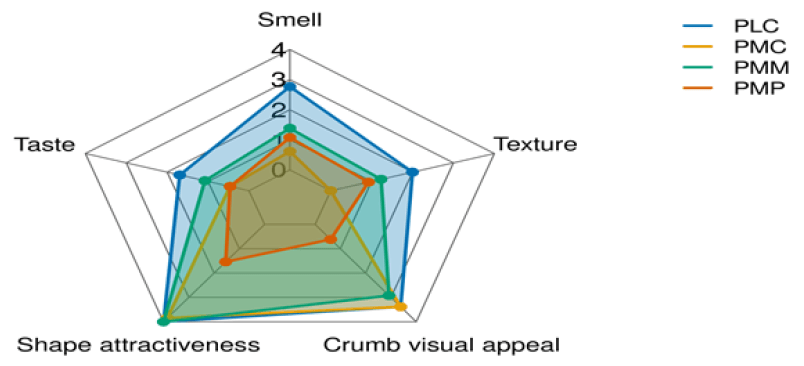
Figure 5. Radar chart of sensory attributes evaluated in different bread samples using a 5-point hedonic scale. The chart displays normalized scores using a min–max scaling approach for shape attractiveness (general), visual attractiveness (crumb), odour, taste, and texture in breads made with common yeast (PLC), control sourdough with wheat flour (PMC), a mixture of wheat and bean flour sourdoughs (PMM), and native bean sourdough (PMP).
The average scores obtained for overall acceptability were: PLC (3.70), PMC (3.46), PMM (3.56), and PMP (3.30). The highest scores were reported for PLC and PMM breads. The standard deviations were: PLC (0.7952), PMC (1.0148), PMM (1.0724), and PMP (1.1370) (Figure 6).
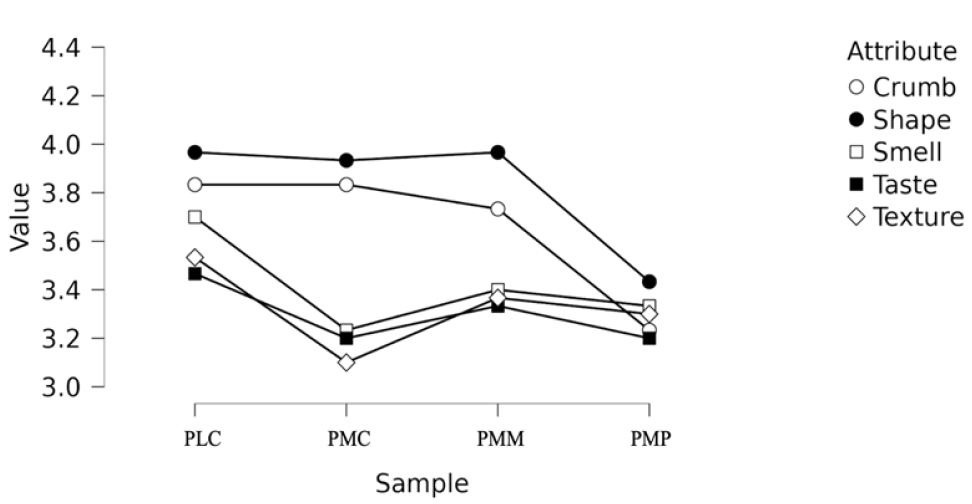
Figure 6. Line plot of sensory attributes evaluated across bread samples. Average values are shown for five sensory attributes: "Shape" (overall shape appeal), "Crumb" (crumb visual appeal), "Smell", "Taste", and "Texture", evaluated in the samples PLC, PMC, PMM, and PMP. All variables were analyzed using Kruskal Wallis tests.
No statistically significant differences (p > 0.05) were observed in the overall attractiveness ratings among PMC, PMM, and PMP breads when compared to the control bread (PLC) (Figure 6). However, significant differences (p < 0.05) were found in taste and crumb visual appearance among fortified breads compared to the control. The PMM bread was perceived as more sour, while the crumb structure was more appreciated in PLC and PMC breads. The aroma was found to be most characteristic in PMC, though no significant differences were detected in this attribute compared to PLC (p > 0.05).
Significant differences (p < 0.05) were also identified in crust texture, with PMP and PMM samples exhibiting a more compact and less crunchy texture compared to the control (Figure 6).
Discussion
In the present study, breads made with sourdough formulations showed improved sensory and quality attributes (PMM and PMP). These differences were more notable in the mixed sourdough formulation made with Triticum spelta (15%) and Phaseolus vulgaris L. (15%) flours (PMM).
The sourdoughs with Triticum spelta and Phaseolus vulgaris L. were prepared following a protocol commonly used for legume-based sourdough production (15). In relation to the composition of solid and liquid ingredients across the four bread formulations, which differ primarily in the type and proportion of sourdough used. This variation affects the final solid-liquid composition. All formulations started with 500 grams of wheat flour, representing 97.08% of solids in PLC and 75.75% in the sourdough formulations (PMC, PMM, PMP), regardless of the sourdough type. Additionally, the total water volume in PLC was 250 ml, while sourdough-based formulations required 350 ml. This adjustment compensates for the hydration introduced by the sourdough, ensuring an adequate dough consistency.
As a result, total solids and liquids were higher in the sourdough formulations: solids were 515 g in PLC and 660 g in PMC, PMM, and PMP; liquids were 250 ml in PLC and 350 ml in PMC, PMM, and PMP. This results in a higher dry matter formulation, while the liquid content remains proportionate to maintain appropriate dough texture and workability. The overall solid-to-liquid ratio was 67.32% solids and 32.67% liquids for PLC, and approximately 65.34% solids and 34.65% liquids for the sourdough formulations. This slight increase in hydration suggests that sourdoughs have a higher water absorption capacity. Such adjustments not only influence dough texture and handling but may also have technological and nutritional implications, including fermentation profile, digestibility, and protein content of the final product. In the present study, the description of crumb firmness, compactness, and elasticity refers exclusively to sensory perception reported by an untrained panel, and not to instrumental or trained sensory measurements. Therefore, these attributes should be interpreted as perceived textural characteristics rather than objective physical parameters. The lower acceptability scores obtained for the bread formulated with 100% legume sourdough (PMP) indicate that panelists perceived this formulation as denser and less elastic compared to the other samples. However, no instrumental texture analysis or trained sensory evaluation was performed, and thus these observations reflect consumer perception rather than quantitative rheological measurements.
The inclusion of bean flour-based sourdough (PMM and PMP) significantly enhanced the nutritional value of the bread, as bean flour is a plant-based protein source with a more balanced amino acid profile compared to wheat, thus improving overall protein quality (21). In the present study, the incorporation of bean-based sourdough (PMM and PMP) was associated with changes in technological and sensory properties of the bread. Although legume flours are known to have a high nutritional value, particularly in terms of protein and fiber content, no direct nutritional analysis of the final bread products was performed in this study. Therefore, any reference to nutritional improvement should be interpreted as a potential effect based on the known composition of Phaseolus vulgaris, rather than as an experimentally demonstrated outcome. The results presented here are limited to technological performance and sensory perception. Additionally, partially or fully replacing commercial yeast with sourdough reflects a move toward more natural and potentially healthier fermentation processes, without compromising baking quality.
Regarding the fermentation rate of the two sourdoughs (wheat and bean), both showed similar fermentation kinetics, with visible microbial activity beginning on day 2 and intensifying until day 5. This may be attributed to the starch content in both flours, which is readily digested by wild yeasts, facilitating fermentation. Starch is a primary energy source for yeasts, which convert it into simple sugars that are then metabolized into gas and alcohol, causing dough expansion. Both wheat and bean sourdoughs reached evident levels of volume increase and aeration, supported by the availability of fermentable carbohydrates and compatible native microbiota, resulting in better CO₂ retention and the formation of large, visible gas bubbles.
The internal crumb structure varied significantly depending on the type of sourdough used. A descending trend in alveolar development was observed in the following order: PMM > PMC > PLC > PMP. While PMM and PMC promoted more open crumb structures, fermentation with non-conventional flour such as bean (PMP) limited bread expansion, likely due to lower fermentative activity. These results highlight the influence of microbial populations and substrate type on bread structural quality. This aligns with findings by Sabater et al. (2024) (9), where the functional properties of fermented bean protein reduced bread porosity.
Bread containing a higher proportion (30%) of fermented bean sourdough had lower volume, presenting a firmer, more compact, and less elastic crumb with smaller alveoli. This is consistent with Rizzello et al. (2014), who reported that breads containing more than 15% fermented legume flour had reduced volume (22). Conversely, Xiao et al. (2016) found that adding fermented legume flour improved crumb volume and firmness compared to traditional bread (23).
From the sensory evaluation of four bread samples based on general appearance, crumb structure, taste, texture, and aroma (using the 5-point hedonic scale), PMM was identified as the most accepted nutritionally improved formulation, due to its similarity to PLC in terms of sensory scores. The PMM formulation, composed of 15% bean sourdough and 15% wheat sourdough, emerged as a viable alternative, demonstrating optimal fermentation behavior, appreciable volume comparable to the control, well-defined alveoli, and favorable sensory attributes. These improvements in rheological and sensory qualities were consistent with the findings of López et al. (2025) (10).
In contrast, PMP (30% bean sourdough) had lower sensory scores, likely due to its high bean flour content. Galli et al. (2019) observed similar outcomes when incorporating 20% chickpea sourdough flour, which weakened the dough structure due to the lack of gluten, negatively impacting bread volume compared to wheat sourdough controls (24). Likewise, Sanmartín et al. (2020) reported that high flour content in sourdough combinations resulted in lower sensory ratings, especially for crust aroma and crumb flavor, ultimately affecting overall acceptability (18). The hedonic quality level of a product is crucial for its consumer acceptance, making it essential to identify which sensory characteristics should be enhanced or minimized. As in other food processes, the main challenge for nutritionally enriched cereals is to combine health benefits with favorable sensory qualities.
Indeed, legume sourdoughs are richer in free amino acids, soluble fiber, and phytase than conventional sourdoughs (6). LAB have been used in bean fermentation as they are naturally present in legumes and help improve the profile of bioactive compounds, such as flavonoids (with antioxidant effects) and GABA (linked to antihypertensive and cardiovascular benefits) (25).
Today, healthy lifestyles are the main trend shaping the food industry. Consumers increasingly prefer foods that are minimally processed and closer to their natural state. Pulses contribute globally to sustainability, biodiversity, climate change mitigation, agricultural development, food security, and nutrition. Nutrient-rich whole foods meet these demands effectively, and the commercial success of plant-based products suggests that new uses for pulses represent a promising avenue to meet evolving consumer preferences (11).
According to Gwirtz et al. (2014), bread is the most widely consumed food globally, making it an ideal vehicle for addressing nutritional deficiencies by incorporating fermented pulses (26). This not only improves nutritional composition but also enhances technological and sensory qualities (27). In this way, food sovereignty is also promoted, especially in remote areas, with an emphasis on the local and sustainable production of nutraceutically enhanced foods.
However, attributes such as aroma and flavor indicate that PMC maintains a slight advantage, possibly due to the aromatic complexity and palatability derived from sourdough fermentation (28), as well as the cognitive and cultural associations with traditional wheat bread. Therefore, it is important to promote consumer education and cultural familiarity with legume-based sourdough breads to increase their acceptance.
Although the nutritional value of legumes as sources of protein and dietary fiber is well established, the present study does not aim to introduce a novel ingredient per se, but rather to evaluate the technological feasibility and sensory acceptability of sourdough bread formulations incorporating native Phaseolus vulgaris flour. The relevance of this work lies in the applied assessment of different sourdough combinations under controlled processing conditions, providing practical evidence on consumer acceptance, dough behavior, and product quality. This type of evaluation represents a necessary preliminary step for the development of functional bakery products based on local raw materials, particularly in contexts where the incorporation of legumes into staple foods remains limited. Therefore, the contribution of this study is primarily technological and applicative, supporting future research focused on nutritional characterization, bioactive compounds, and microbial dynamics.
Conclusions
The present study demonstrated that incorporating native Phaseolus vulgaris L. flour into sourdough formulations at a 15% inclusion level resulted in favorable technological and sensory performance of the bread, particularly in the mixed sourdough formulation (PMM). Among the evaluated formulations, PMM showed the most balanced behavior in terms of loaf volume, texture, aroma, and overall sensory acceptance, reaching values comparable to those obtained with commercial yeast (PLC).
Although the results indicate adequate sensory acceptability, especially for the mixed sourdough bread, the present study should be considered exploratory in nature. The sensory evaluation was performed using an untrained internal panel, and therefore future studies should include a larger number of participants and panels composed of regular consumers in order to strengthen the external validity of the findings and better assess acceptance under real consumption conditions.
While bread produced exclusively with bean sourdough (PMP) exhibited a denser crumb structure and a more pronounced legume flavor, its overall acceptability remained within an acceptable range. It is important to note that no direct nutritional analysis was performed on the final bread products; therefore, any potential nutritional contribution associated with the inclusion of legume flour is inferred from the known composition of Phaseolus vulgaris rather than experimentally demonstrated.
Overall, these results support the technological feasibility of partially substituting conventional ingredients with legume-based sourdough in breadmaking. The use of native legumes represents a promising approach for the development of novel bakery products, and future studies should focus on optimizing formulations, performing nutritional characterization, and identifying bioactive compounds and fermentative microorganisms, particularly lactic acid bacteria with potential functional properties.
Acknowledgments
This research was supported by Project number Projects no. FIAS2023JC01, VCM2024UCTSV, 2023PROSV03 of Universidad Católica de Temuco, and by the National Agency for Research and Development (ANID), Government of Chile, through Fondecyt Regular 1250993, and collaborated on FIBN N°014/2023 of CONAF project.
References
- D’Amico S, Gänzle MG, Zwirzitz B, et al. Does sourdough bread provide clinically relevant health benefits? Front Nutr. 2023;10:1230043. Available from: https://doi.org/10.3389/fnut.2023.1230043
- Ribet L, Dessalles R, Lesens C, Brusselaers N, Durand-Dubief M. Nutritional benefits of sourdoughs: A systematic review. Adv Nutr. 2023;14(1):22-29. Available from: https://doi.org/10.1016/j.advnut.2022.10.003
- Alkay Z, Falah F, Cankurt H, Dertli E. Exploring the Nutritional Impact of Sourdough Fermentation: Its Mechanisms and Functional Potential. Foods. 2024;13(11):1732. Available from: https://doi.org/10.3390/foods13111732
- De Vuyst L, Van Kerrebroeck S, Leroy F. Microbial ecology and process technology of sourdough fermentation. Adv Appl Microbiol. 2017;100:49-160. Available from: https://doi.org/10.1016/bs.aambs.2017.02.003
- van Wyk N. Current Research on Flavor Compounds in Fermented Food Products. Foods. 2024;13(5):730. Available from: https://doi.org/10.3390/foods13050730
- Chinma CE, Ezeocha VC, Adedeji OE, Jolayemi OS, Onwuka QI, Ilowefah MA, et al. Germinated/fermented legume flours as functional ingredients in wheat-based bread: A review. J Food Sci. 2025;90:e70022. Available from: https://doi.org/10.1111/1750-3841.70022
- Tatulli G, Cagliani LR, Sparvoli F, et al. NMR-based metabolomic study on Phaseolus vulgaris flour fermented by lactic acid bacteria and yeasts. Molecules. 2023;28(12):4864. Available from: https://doi.org/10.3390/molecules28124864
- Adebo JA. Effect of Fermentation on Phytochemical, Antioxidant, Functional, and Pasting Properties of Selected Legume Flours. Fermentation. 2026;12(1):62. Available from: https://doi.org/10.3390/fermentation12010062
- Sabater C, Sáez GD, Suárez N, Garro MS, Margolles A, Zárate G. Fermentation with Lactic Acid Bacteria for Bean Flour Improvement: Experimental Study and Molecular Modeling as Complementary Tools. Foods. 2024;13(13):2105. Available from: https://doi.org/10.3390/foods13132105
- López MS, Salvucci EJ, Baroni MV, Di Paola R, Pérez GT, Sciarini LS. Techno-Nutritional Improvement of Gluten-Free Breads Using Spontaneous Sourdough of Quinoa and Buckwheat Flours. Fermentation. 2025;11(12):657. Available from: https://doi.org/10.3390/fermentation11120657
- Dhiman S, Kaur S, Thakur B, Singh P, Tripathi M. Nutritional Enhancement of Plant-Based Fermented Foods: Microbial Innovations for a Sustainable Future. Fermentation. 2025;11(6):346. Available from: https://doi.org/10.3390/fermentation11060346
- Ministerio de Salud de Chile. Encuesta Nacional de Consumo Alimentario (ENCA). Santiago de Chile: Gobierno de Chile; 2021.
- de Paula E, Almeida RN, Santos TO, Souza Neto JD, Riva-Souza EM, Posse SCP, et al. Genetic Diversity of Common Bean (Phaseolus vulgaris L.) Landraces Based on Morphological Traits and Molecular Markers. Plants. 2024;13(18):2584. Available from: https://doi.org/10.3390/plants13182584
- Larsen N, Henriksen MG, Crocoll C, Li Q, Lametsch R, Poojary MM, et al. Enhancing the Sensory and Nutritional Properties of Faba Bean Protein through Fermentation with Lactic Acid Bacteria and Bacillus spp. Int J Food Microbiol. 2026;446:111549. Available from: https://doi.org/10.1016/j.ijfoodmicro.2025.111549
- Tatulli G, Cagliani LR, Sparvoli F, Brasca M, Consonni R. NMR-Based Metabolomic Study on Phaseolus vulgaris Flour Fermented by Lactic Acid Bacteria and Yeasts. Molecules. 2023;28(12):4864. Available from: https://doi.org/10.3390/molecules28124864
- Siepmann F, Ripari V, Waszczynskyj N. Overview of sourdough technology: from production to marketing. Food Bioprocess Technol. 2018;11:242-270. Available from: https://doi.org/10.1007/s11947-017-1968-2
- Guinard JX. Sensory and consumer testing with children. Trends Food Sci Technol. 2000;11(8):273-283. Available from: https://doi.org/10.1016/S0924-2244(01)00015-2
- Sanmartin C, Tanglieri I, Venturi F, et al. Flaxseed cake as tool for the improvement of nutraceutical and sensorial features of sourdough bread. Foods. 2020;9(2):204. Available from: https://doi.org/10.3390/foods9020204
- Olojede A, Sanni A, Banwo K. Effect of legume addition on the physiochemical and sensory attributes of sorghum-based sourdough bread. LWT. 2020;118:108769. Available from: https://doi.org/10.1016/j.lwt.2019.108769
- Aliani M, Eideh A, Kapourchali F, Alharbi R, Fahmi R. Evaluation of Bitterness by the Electronic Tongue: Correlation between Sensory Tests and Instrumental Methods. En: Aliani M, Eskin M, editores. Bitterness: Perception, Chemistry and Food Processing. 1a ed. Hoboken (NJ): Wiley; 2017. p. 195-207.
- Chandra M, Wong C, Arcot J. The potential use of fermented chickpea and faba bean flour as food ingredients. Plant Foods Hum Nutr. 2016;71(1):90-95. Available from: https://doi.org/10.1007/s11130-016-0532-y
- Rizzello C, Calasso M, Campanella D, De Angelis M, Gobbetti M. Use of sourdough fermentation and mixture of wheat, chickpea, lentil and bean flours for enhancing the nutritional, texture and sensory characteristics of white bread. Int J Food Microbiol. 2014;180:78-87. Available from: https://doi.org/10.1016/j.ijfoodmicro.2014.04.005
- Xiao Y, Fan J, Chen Y, Rui X, Zhang Q, Dong M. Enhanced total phenolic and isoflavone aglycone content, antioxidant activity 2 and DNA damage protection of soybeans processed by solid state fermentation 3 with Rhizopus oligosporus RT-3. RSC Adv. 2016;6(35):29741-29756. Available from: https://doi.org/10.1039/C6RA00074F
- Galli V, Venturi M, Pini N, Guerrini S, Granchi L. Exploitation of sourdough lactic acid bacteria to reduce raffinose family oligosaccharides (RFOs) content in breads enriched with chickpea flour. Eur Food Res Technol. 2019;245:2353-2363. Available from: https://doi.org/10.1007/s00217-019-03353-6
- Limon R, Peñas M, Martínez C, Dueñas M, Frias J. Fermentation enhances the content of bioactive compounds in kidney bean extracts. Food Chem. 2015;172:343-352. Available from: https://doi.org/10.1016/j.foodchem.2014.09.084
- Gwirtz J, Nieves M. Processing maize flour and corn meal food products. Ann N Y Acad Sci. 2014;1312:66-75. Available from: https://doi.org/10.1111/nyas.12299
- Boukid F, Zannini E, Carinia E, Vittadini E. Pulses for bread fortification: A necessity or a choice?. Trends Food Sci Technol. 2019;88:416-428. Available from: https://doi.org/10.1016/j.tifs.2019.04.007
- Xing Q, Dekker S, Kyriakopoulou K, Boom R, Smid E, Schutyser M. Enhanced nutritional value of chickpea protein concentrate by dry separation and solid state fermentation. Innov Food Sci Emerg Technol. 2020;59:102269. Available from: https://doi.org/10.1016/j.ifset.2019.102269